

In today’s spiritual landscape, a subtle tension runs beneath the surface: the pull between
authentic expression and the pressure to market oneself. Offerings such as readings, healing
sessions, and courses are often packaged and promoted using traditional business strategies.
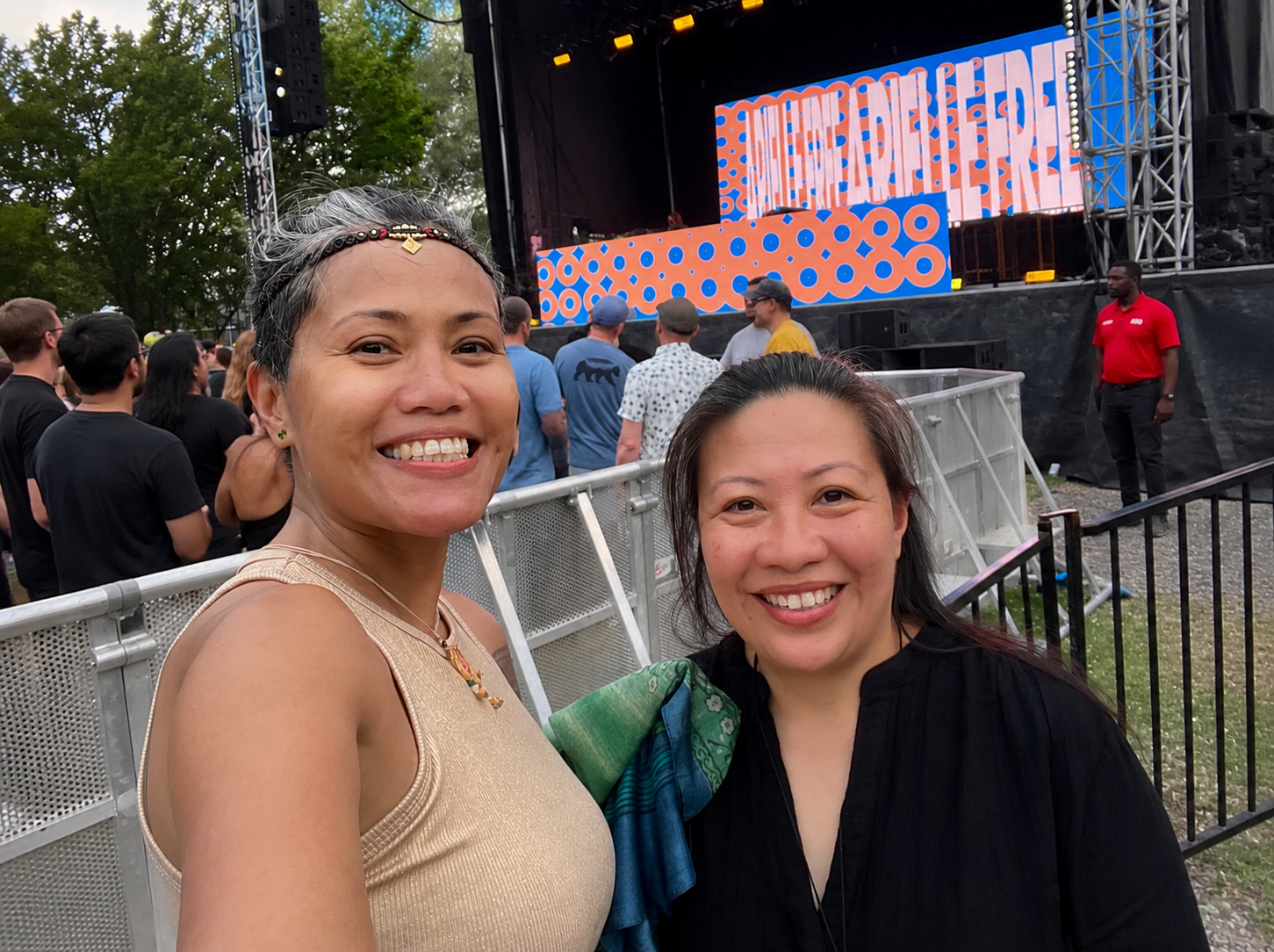
A heartfelt reflection on how music, community, and the dance floor became a reminder that the greatest love we can discover is the one we cultivate within ourselves.
When life feels uncertain, faith becomes the bridge between fear and transformation. Discover the power of trusting the journey, even when the path isn't clear.

A powerful Memorial Day reflection from a Navy veteran and psychiatric nurse practitioner on service, sacrifice, mental health, and the courage to seek healing—honoring those we've lost while advocating for those still fighting invisible battles.
What happens when achieving everything you were told to want still leaves you feeling empty? A journey from burnout to alignment and self-discovery.
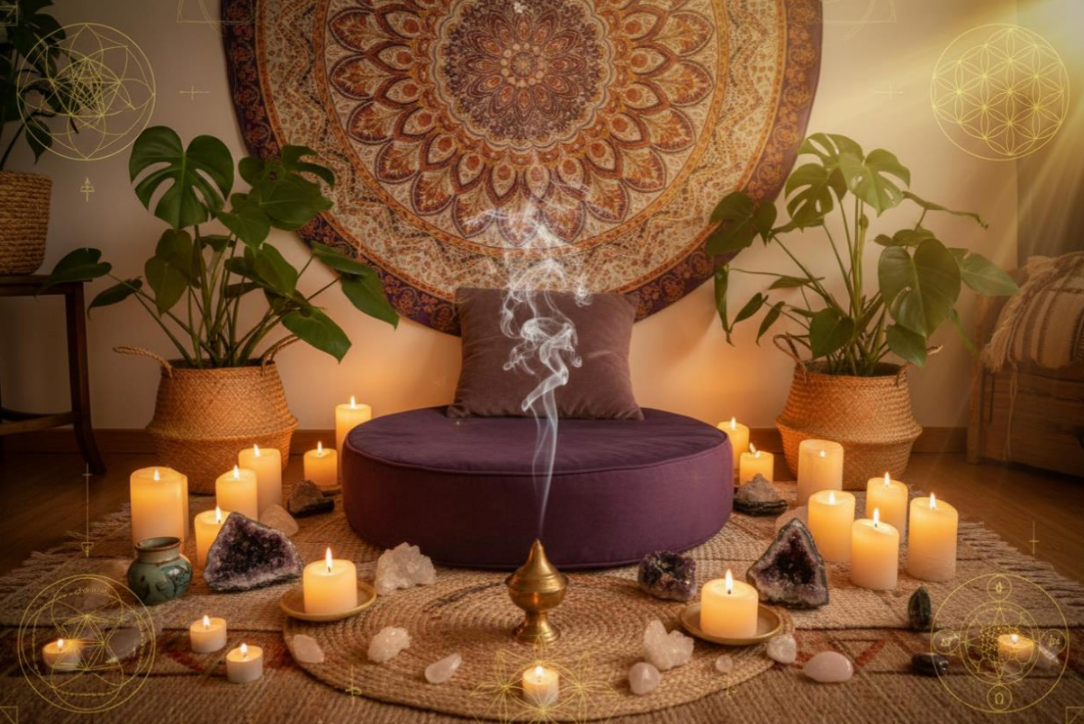
Your surroundings shape your mindset. Explore practical ways to design a sacred space that supports your well-being, focus, and inner peace.
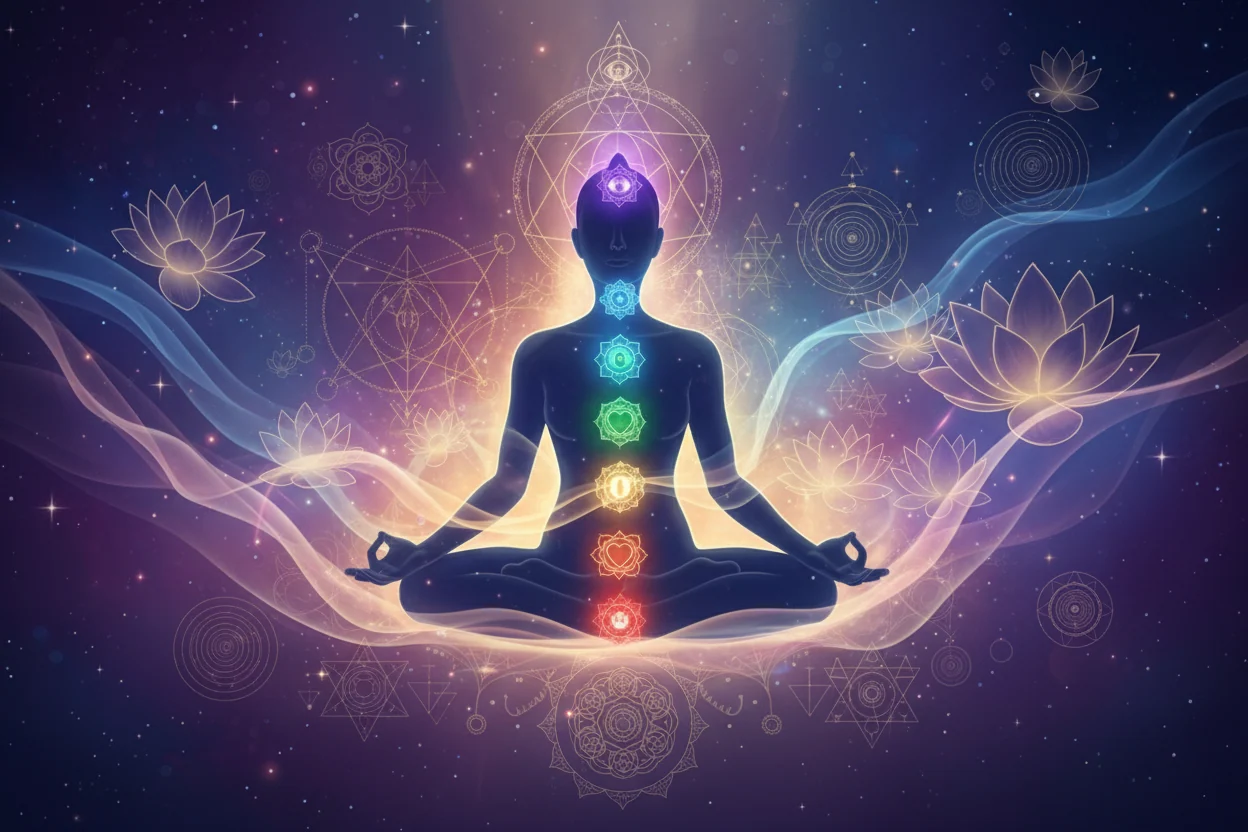
Mental health is one of the most important conversations of our time. Millions of people worldwide are searching for ways to manage anxiety, overcome depression, process trauma, and find a sense of inner calm. While modern psychology and psychiatry offer powerful tools, many people are discovering that ancient spiritual practices — including chakra healing — can complement their mental health journey in meaningful ways.
At Sacred Space, we believe that caring for your energy body and caring for your mind are not separate pursuits. They are two paths leading to the same destination: wholeness.More
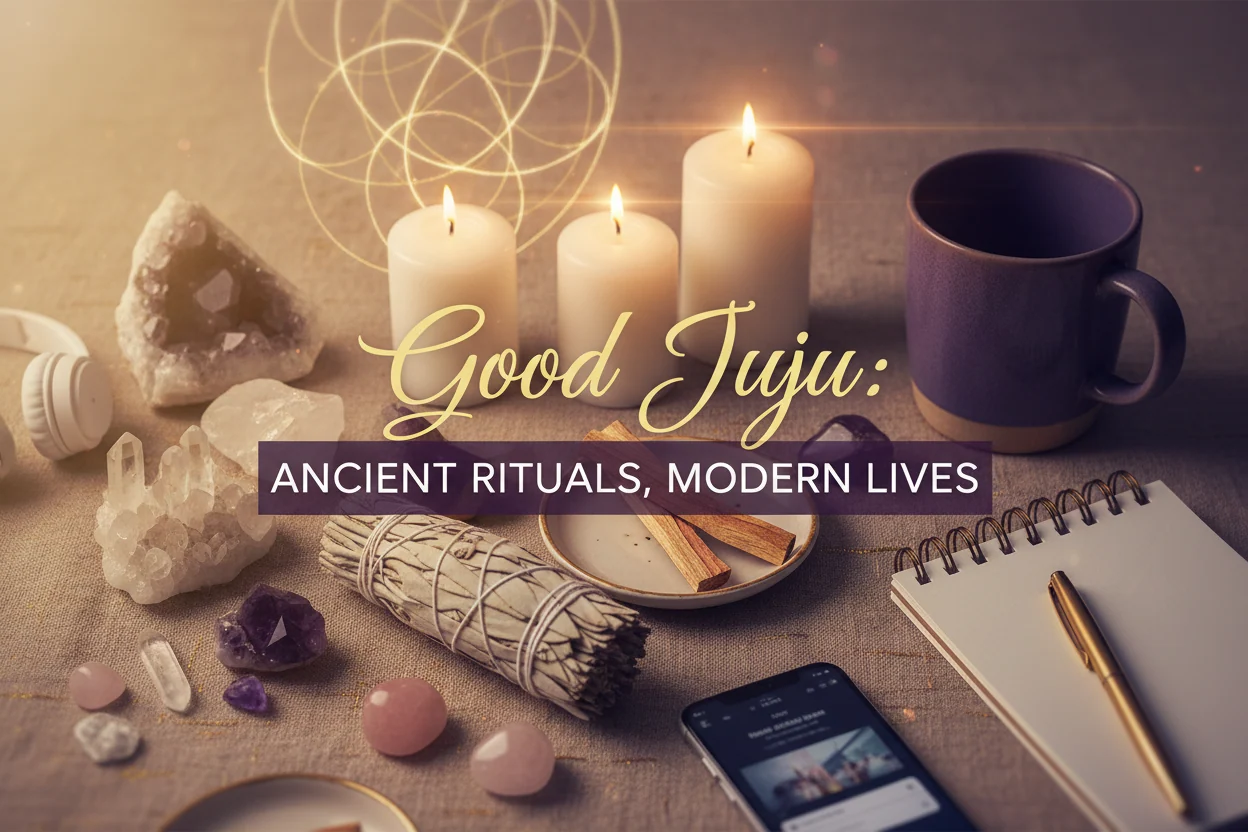
“Good juju” is more than a trendy phrase tossed around on social media. At its core, it reflects something deeply human: the desire to invite positive energy, protection, balance, and intention into our lives. Long before manifestation, journals and wellness influencers, cultures across the world practiced rituals designed to shift energy and create harmony between the physical and spiritual worlds.More

This year's Nurses Week theme — The Power of Nurses — could not be more fitting. Every year from May 6–12, the world pauses to recognize the men and women who show up tirelessly, compassionately, and often invisibly to hold space for those in their most vulnerable moments. But 2026 asks us to go further than gratitude. It asks us to truly reckon with the power nurses carry — the power to heal, to witness, to transform lives at their most fragile.More
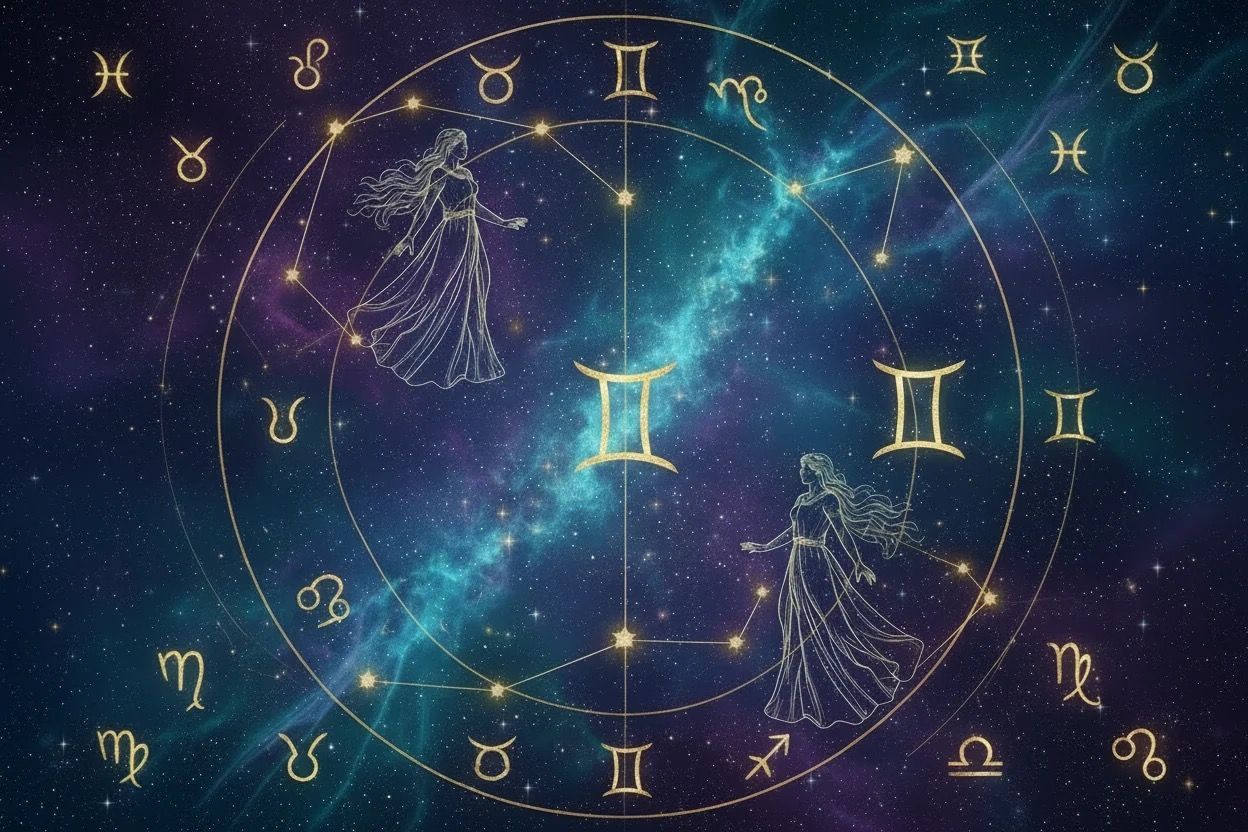
April 25, 2026 marked the beginning of Uranus’ sustained transit through Gemini, a cycle that astrologers associate with major shifts in communication, technology, learning, and how people connect.
Uranus represents disruption, innovation, and sudden change. Gemini rules information, language, media, and networks. Together, this transit is often described as a period of unexpected shifts in communication and ideas—a time when the way we think, talk, and share information changes quickly and unexpectedly.
On a broader level, this era is linked to rapid advancements in technology, especially in AI, media, and digital communication, along with faster information cycles and new ways of learning and interacting.More